
Drunk Driving
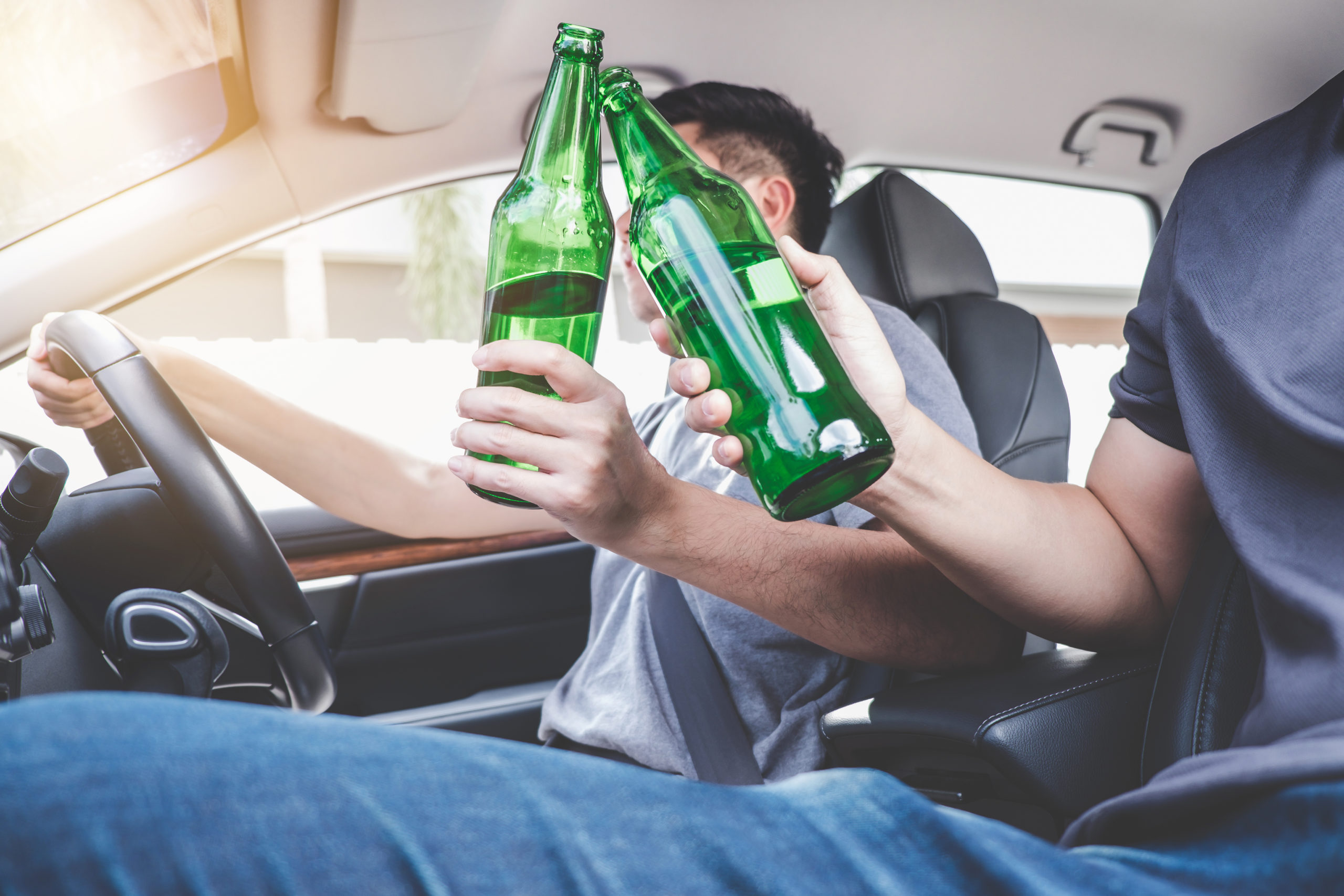 Driving Under the Influence (DUI)
Driving under the influence (DUI) involves operating a vehicle after using mind-altering substances including alcohol, drugs, or controlled substances. Drivers who have a blood alcohol content of .08 or greater are considered legally impaired. These drivers, as well as drivers who fail a field sobriety test regardless of their BAC, may be arrested. Although the number of car accidents due to drunk driving has decreased over the past years, alcohol-related crashes still occur frequently. These accidents can result in serious injuries and fatalities to innocent drivers and passengers involved.
Victims of Drunk Driving
If you or a loved one are injured as a result of a DUI car accident, you are considered a victim of a criminal act. Drunk driving is a criminal offense, and victims may be entitled to additional compensation for their injuries through victim compensation programs that exist to support those harmed by crimes. These statutes protect individuals injured by a criminal act, including motor vehicle accidents. To qualify for this type of compensation, certain requirements must usually be met, such as:
- The crime must be reported to law enforcement within a set timeframe (for example, 72 hours).
- The victim must have suffered an injury caused by the crime.
- The victim must apply for benefits within a specified period (often one year).
- The victim must fully cooperate with authorities.
- The victim must not have contributed to or participated in unlawful activity at the time of the incident.
- The victim should not have a serious criminal record.
Injuries
The victim of a drunk driving accident is often an innocent person who suffered harm due to the crash. Injuries from motor vehicle accidents can range from mild to life-altering. Common injuries include:
- Lacerations, cuts, bruises, and burns
- Broken bones
- Lost limbs
- Whiplash
- Concussions or traumatic brain injuries
- Spinal cord injuries
- Internal injuries
- Death
These injuries can result in financial, emotional, and physical distress, sometimes causing permanent damage.
Liability
In some cases, victims of drunk driving accidents may also pursue claims against establishments that served alcohol to the driver. Some states have laws that limit or expand liability depending on circumstances, such as serving alcohol to a minor or a visibly intoxicated person. Additionally, parents or property owners who allow underage drinking may be held responsible if a minor leaves their premises and causes a drunk driving accident.
Compensation
Once liability is established, victims may seek compensation for the injuries and damages incurred. These can include medical expenses, lost income, permanent injuries, property damage, and pain and suffering. The amount of compensation depends on factors such as the severity of the injuries, the circumstances of the accident, and whether the victim contributed to the incident. Possible compensation includes:
- Medical bills (tests, appointments, treatments, and rehabilitation)
- Lost wages and potential future earnings
- Funeral or burial expenses in fatal cases
- Pain and suffering, including mental health counseling
- Property damage
If you or a loved one has been injured in a drunk driving accident, consulting an experienced personal injury attorney can help ensure you understand your rights and pursue the compensation you deserve.